

 Image Source
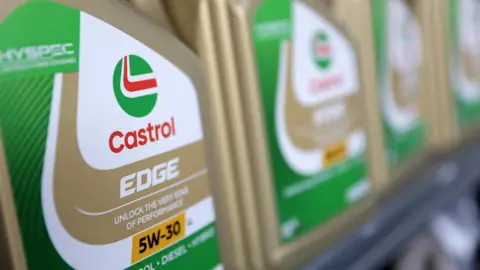
BP has struck a $6 billion deal to divest a majority stake in its lubricants business Castrol to a US investment firm.
Details of the Transaction
The energy major sold a 65 percent share in Castrol, which makes lubricants for cars, motorcycles and industrial vehicles, to New York-based Stonepeak.
This transaction valued Castrol at $10.1bn, with BP receiving $6 billion cash, which it will use to pay down debts and enable it to focus on its primary operations.
BP will retain a 35 percent share in Castrol, which it first took control of in the year 2000.
Strategic Pivot and Asset Sales
The London-based oil major stated the sale represents a "key moment" in its plans to overhaul its business and strip out costs.
BP earlier this year revealed intentions to divest $20 billion worth of assets in a move to prioritize its primary fossil fuel operations and strengthen its financial position.
After today's deal and previous announcements, the company says it is over half way to achieving that target.
It is also shifting its strategy from investment in renewable power and refocusing on its emphasis on fossil fuels following calls by some investors who were frustrated that its profits and share price had lagged behind competitors.
Sector Context and Executive Changes
Rivals like Shell and Norway's Equinor have also scaled back plans to put money into green energy.
The Castrol sale arrives a week after BP announced its inaugural woman CEO, Meg O'Neill, who will take the helm in April 2026.
Her surprise appointment came only three months after BP appointed a new board chair, Albert Manifold.
And she was given the CEO role less than two years after Murray Auchincloss succeeded Bernard Looney as CEO.
Ongoing Portfolio Simplification
This recent transaction is the latest in a series of divestments by the company, which have included offloading its American wind power assets and its Dutch mobility and convenience arm.
Interim chief executive Carol Howle said the sale represents a "very good outcome for all parties involved".
"We are reducing complexity, concentrating our refining and marketing on our core integrated operations, and accelerating delivery of our plan," she added.